What you need to know before going to Morocco in 2026
What you need to know before going to Morocco in 2026 morocco in 2026,Morocco continues to fascinate travelers from all over the world. Between its millennial medinas, its breathtaking Saharan landscapes and the legendary hospitality of its inhabitants, this Cherifian kingdom stands out as an unmissable destination for 2026.
But going to Morocco is not totally improvised, especially if you want to fully enjoy your stay without unpleasant surprises. Some useful information is crucial whether you are organizing a road trip through the Atlas Mountains, a cultural immersion in Fez, or leisurely days in Essaouira. The administrative formalities have evolved, the climate varies considerably according to the regions, and certain periods of the year are clearly more advantageous than others. In this article, we reveal everything you need to anticipate to turn your Moroccan trip into a memorable experience.
Morocco in 2026 Entry formalities and mandatory documents
Good news for French, Belgian, Swiss and Canadian nationals: you do not need a visa for a tourist stay in Morocco of less than 90 days. Your passport must simply be valid for the entire duration of your stay. Be careful, however, some airlines or border services recommend a validity of six months, even if it is not officially required by the Moroccan authorities.
Upon arrival at the airport, you will need to fill out a police form indicating your accommodation address in Morocco. Keep the entry stamp on your passport, as you may be asked for it during road checks or when leaving the territory. The Moroccan customs officers generally remain courteous, but it is better to have all your documents at hand to avoid any inconvenience. If you are going to rent a car, your French driving license is more than enough. No need for an international permit, even if some rental agencies sometimes mention it.
Also consider taking out comprehensive travel insurance covering medical expenses and repatriation, as health care can quickly become expensive in an emergency.
Vaccines and health precautions
No vaccine is mandatory to enter Morocco in 2026. However, the health authorities strongly recommend being up to date on universal vaccinations: diphtheria, tetanus, poliomyelitis and hepatitis A. If you are planning an extended stay or getaways in rural areas, hepatitis B and typhoid can also be advised. Tap water is generally not drinkable for unaccustomed stomachs. Prefer capped bottled water and beware of ice cubes in small establishments. Digestive disorders are the most common health problem among travelers, but they are easily managed with an adapted first aid kit. Plan for diarrhea medication, painkillers and a high-protection sunscreen.
The best time to discover Morocco
Morocco in 2026 ,Morocco enjoys an impressive climatic diversity. You can ski in the Atlas Mountains in the morning and swim in the Atlantic in the afternoon, as long as you choose the right season. For most regions, spring (March to May) and autumn (September to November) offer the ideal conditions: pleasant temperatures, sublime light and moderate tourist crowds. Summer can become sultry in imperial cities such as Marrakech or Fez, where the mercury regularly exceeds 40 ° C.
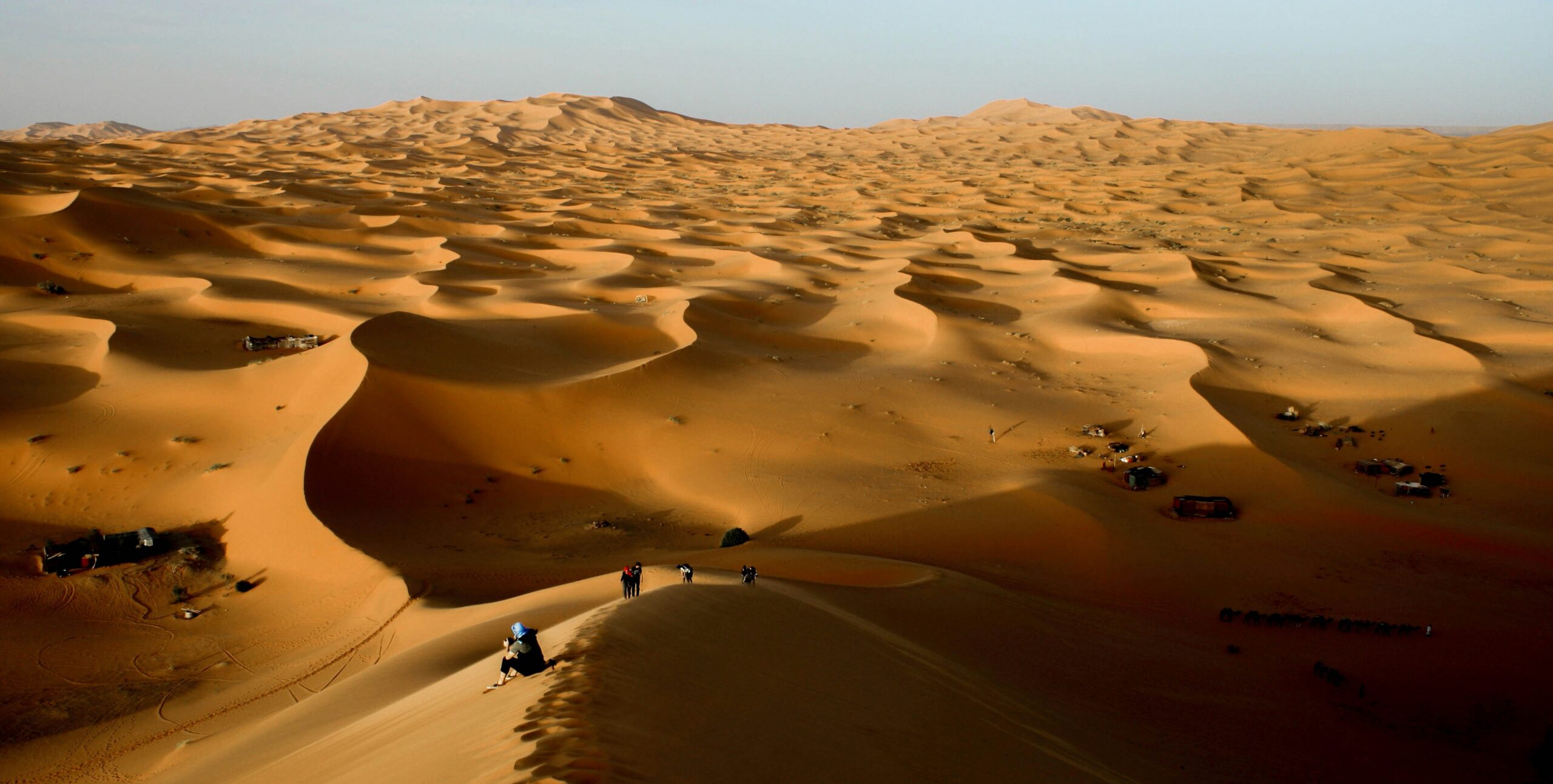
The locals themselves flee to the coast or the mountains during this period. On the other hand, if you are aiming for Essaouira or Agadir, the summer remains bearable thanks to the ocean breezes. Winter is perfect for exploring the desert and the oases of the South, but beware of the frosty nights that can drop below zero in the Sahara.
Cultural events not to be missed
The Moroccan calendar is full of fascinating festivals. The Rose Festival in Kelaa M’Gouna in May transforms an entire valley into a colorful floral celebration. The Fez Sacred Music Festival in June attracts spiritual artists from all over the world. If you are passionate about cinema, the Marrakech International Film Festival in November remains an unmissable event where Hollywood glamour and Maghreb talents meet. The month of Ramadan deserves special attention.
In 2026, It should happen sometime between the end of February and the end of March in 2026.It should happen sometime between the end of February and the end of March in 2026. During this period, the restaurants close during the day, the schedules are modified and the atmosphere changes radically. Some travelers love this unique and spiritual atmosphere, others find it restrictive. It’s up to you to see according to your expectations.
Budget and cost of living on site
Morocco remains a relatively affordable destination, especially compared to European standards. With an average budget of 40 to 60 euros per day per person, you can get decent accommodation, eat in good restaurants and visit the main tourist sites. Obviously, this amount can increase if you opt for luxurious riads or private excursions in the desert.
The local currency is the Moroccan dirham (MAD), with an approximate exchange rate of 1 euro for 10.5 to 11 dirhams depending on the period. Vending machines are ubiquitous in cities, but rarer in remote villages. Always bring cash if you plan to venture off the beaten track. Bank cards are accepted in most tourist establishments, but small shops and taxis work exclusively in cash.
Some price references to locate you :
Morocco in 2026 PRICSE
A meal in a local restaurant: 40-70 dirhams (4-7€) One night in a mid-range riad: 300-600 dirhams (30-60€) A trip by urban taxi: 10-30 dirhams (1-3 €) A guided day trip: 400-800 dirhams (40-80€) A mint tea on the terrace: 10-15 dirhams (1-1.5€)
The art of bargaining
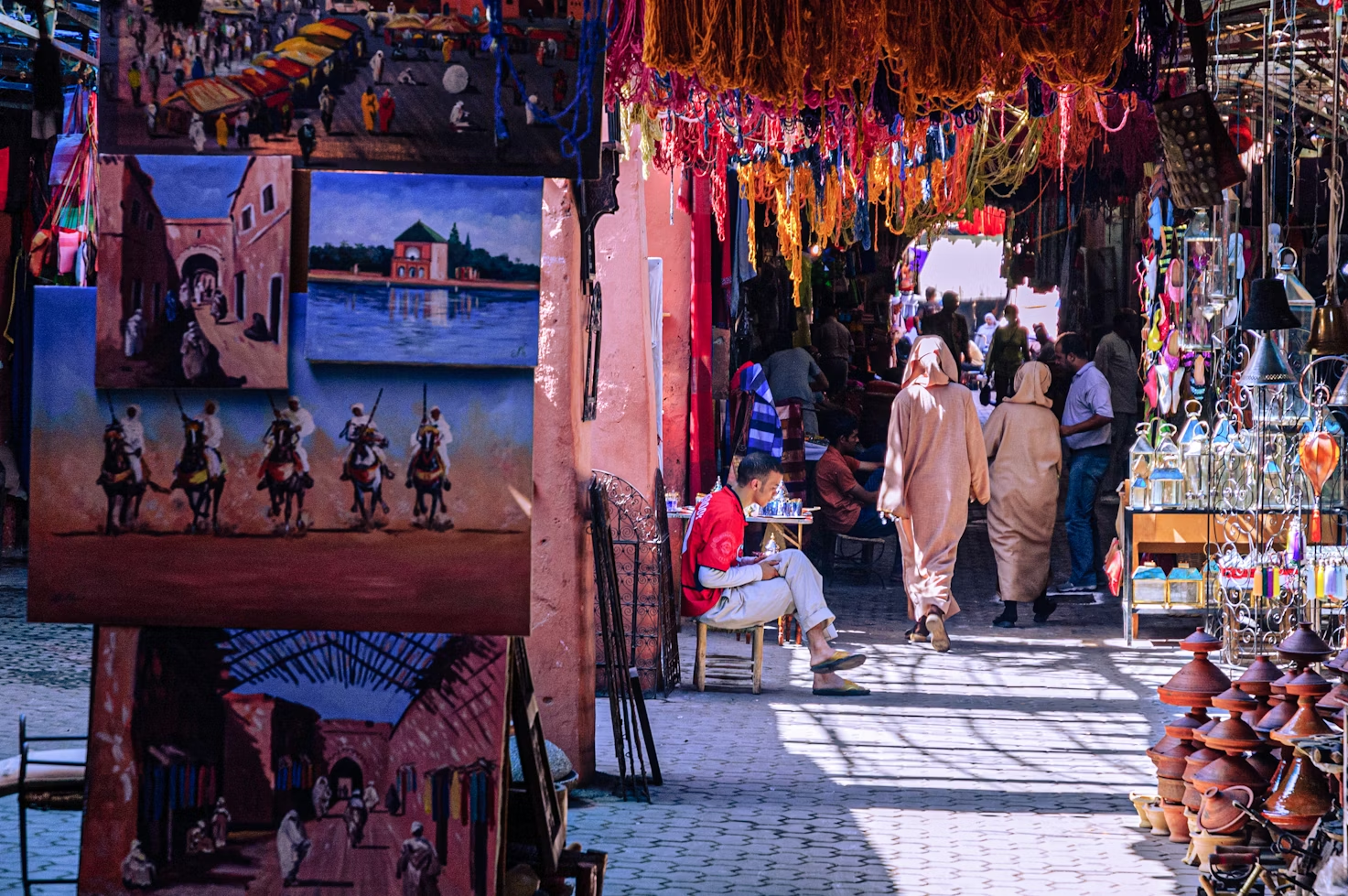
Morocco in 2026 Haggling is an integral part of Moroccan culture, especially in the souks. Do not perceive it as a confrontation, but rather as a pleasant social exchange. Usually start at half the advertised price and negotiate with a smile. Merchants respect travelers who know the approximate value of objects and who negotiate with respect and good humor. Moving efficiently in Morocco The Moroccan transport network has been considerably modernized in recent years. The Al Boraq high-speed train now connects Casablanca to Tangier in just two hours, offering a comfortable and fast experience. ONCF trains serve the main cities with correct reliability and reasonable fares. For a Marrakech-Fez trip, for example, count about 200 dirhams in second class.
Long-distance buses represent the most
economical and cover practically the entire territory. The CTM and Supratours companies offer air-conditioned and rather punctual coaches. The local buses, cheaper but slower and crowded, are suitable for travelers who are looking for authenticity and are in no hurry.
Car rental remains the preferred choice for
explore Morocco in depth.
The main roads are generally in good condition, but driving requires vigilance and adaptation. Moroccan motorists have a driving style… let’s say creative. Expect daring overtaking, carts sharing the roadway with cars and frequent police checks. Strictly observe the speed limits, because there are many speed cameras and salty fines.
Taxis and transport applications In cities, small taxis (of variable color depending on the agglomerations) can only circulate within their urban perimeter. They theoretically have meters, but many drivers prefer to negotiate a fixed price with tourists. Politely insist that the meter is activated or agree on the tariff before going up. Large taxis, usually vintage Mercedes, provide intercity connections and are shared between six passengers.
Applications like Careem or Heetch work perfectly in big cities and eliminate the hassle of negotiation. The prices are transparent and often more advantageous than traditional taxis. The InDrive application is also gaining popularity and allows you to negotiate the price of the ride directly with the driver via the interface.
Cultural aspects and lifestyle
Morocco is a moderate Muslim country where tradition and modernity coexist harmoniously. Respecting local customs will greatly facilitate your interactions and enrich your experience. In the medinas and rural areas, adopt correct attire: avoid very short shorts, high-cut tank tops and clothes that are too tight, especially for women.
Moroccan hospitality is not a myth. It is not uncommon that you are invited to drink tea or share a meal, even after a simple exchange of a few words. Accepting is a mark of respect, refusing can be perceived as rude. If you are photographing people, always ask permission beforehand, especially in rural areas where some remain reluctant to face the lenses. During Ramadan, avoid eating, drinking or smoking in public during the day out of respect for those who fast. Mosques are generally forbidden to non-Muslims, with the exception of the magnificent Hassan II Mosque in Casablanca, open to visitors at certain hours with paid guided tours.
The question of language
Morocco in 2026 Dialectal Arabic (darija) constitutes the daily language, while Amazigh (Berber) is spoken in many mountainous and Saharan regions. French remains extremely widespread, especially in cities and tourist areas, a legacy of colonial history. You will easily cope with French in most situations. Learning a few basic words in Arabic will always be a pleasure: “salam aleikoum” (hello), “chukran” (thank you), “barak’Allah or fik” (God bless you, in gratitude), “inshallah” (God willing).
These little linguistic touches often open doors and instantly create a warm atmosphere. In the South and tourist areas, many Moroccans also speak English, Spanish or German.
Daily safety and health
Morocco remains an overall safe destination for travelers. Violent crimes against tourists remain exceptional. Nevertheless, pickpockets operate in dense tourist areas such as the Jemaa el-Fna square in Marrakech or the souks of Fez. Keep your valuables with you, use bags with secure closures and avoid showing off expensive jewelry or state-of-the-art electronics.
Classic tourist scams exist: fake guides who harass you, shops where you are dragged against your will, metered taxis that inflate prices. Remain firm but courteous in your refusals. A simple “la choukran” (no thanks) repeated with confidence is usually enough. If a “guide” insists heavily, do not hesitate to enter a business and ask for help.
For women traveling alone, Morocco can sometimes be tiring because of the insistent looks and remarks. Adopt a confident attitude, ignore the calls and don’t hesitate to ask the shopkeepers or other women for help if you really feel harassed. Many women travelers travel the country without major problems by simply remaining vigilant and using common sense.
Connectivity and technologies
The Moroccan mobile network coverage is excellent in cities and correct even in many rural areas. The three main operators (Maroc Telecom, Orange and Inwi) offer prepaid SIM cards at very affordable rates. For about 100 dirhams, you will get a card with several gigabytes of data, more than enough for a two-week stay.
Free wifi is available in practically
all accommodation, restaurants and cafes. The quality obviously varies, but you will generally be able to stay connected without difficulty.
Messaging applications like WhatsApp work perfectly, facilitating communication with your loved ones who have stayed in the country.
The electrical sockets use the European standard
Morocco in 2026 ,(220V, type C and E), identical to France. So you won’t need an adapter if you come from French-speaking Europe. For travelers from other continents, provide a universal adapter.

